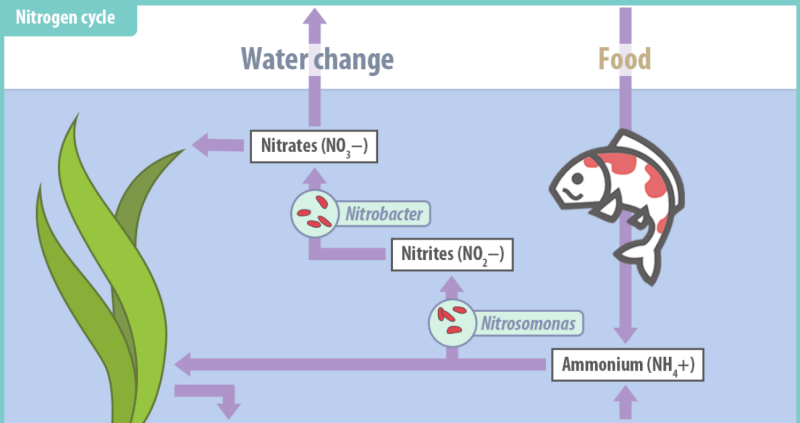
The saying is Koi keepers are at first water keepers, if you look after your water you will look after your Koi.
Koi are hardy fish, but they need stable, clean water to stay healthy and show good colour. The main koi pond water quality parameters to monitor are:
- Water temperature 18–24°C Koi tolerate roughly 4–30°C, but growth, appetite, and immunity are best in the ideal range. Avoid rapid changes.
- pH 7.0–8.5 (stable) Stability matters more than the exact number. Avoid daily swings.
- Ammonia (NH₃/NH₄⁺) 0 mg/L (ppm) Any measurable ammonia can stress koi, especially at higher pH and temperatures.
- Nitrite (NO₂⁻)0 mg/L Toxic; interferes with oxygen transport in blood (“brown blood disease”).
- Nitrate (NO₃⁻)<20–40 mg/L Usually tolerated higher, but lower levels support better health and growth.
- Dissolved oxygen (DO)>6 mg/L Koi need well-oxygenated water, especially at night and in warm weather.
- KH (carbonate hardness/alkalinity)100–200 mg/L (ppm) Buffers pH and supports the biofilter. Low KH can cause dangerous pH crashes.
- GH (general hardness)100–250 mg/L (ppm) Provides minerals for osmoregulation and overall health.
- Chlorine/chloramine0 mg/L Must be removed from tap water before adding to a pond.
- Water clarity Clear enough to see koi easily, Cloudy water can indicate bacterial blooms, poor filtration, or excess nutrients.
Good koi pond targets
- Ammonia: 0
- Nitrite: 0
- Nitrate: preferably below 40 ppm
- pH: around 7.5–8.2 and stable
- KH: at least 100 ppm
- Oxygen: as high as possible (air pumps, waterfalls, aeration)
Testing schedule
- New pond: test ammonia, nitrite, pH, and KH every few days until the filter matures.
- Established pond: test weekly or at least monthly.
- Test immediately if koi are:
- gasping at the surface
- flashing/rubbing against surfaces
- clamping fins
- losing appetite
- sitting still on the bottom
Water maintenance basics
- Do regular water changes: typically 5–10% weekly (adjust based on stocking and nitrate levels).
- Never replace all pond water unless there is a serious contamination issue.
- Clean filter media gently using pond water, not chlorinated tap water, to protect beneficial bacteria.
- Avoid overfeeding; excess food quickly increases ammonia and nitrate.